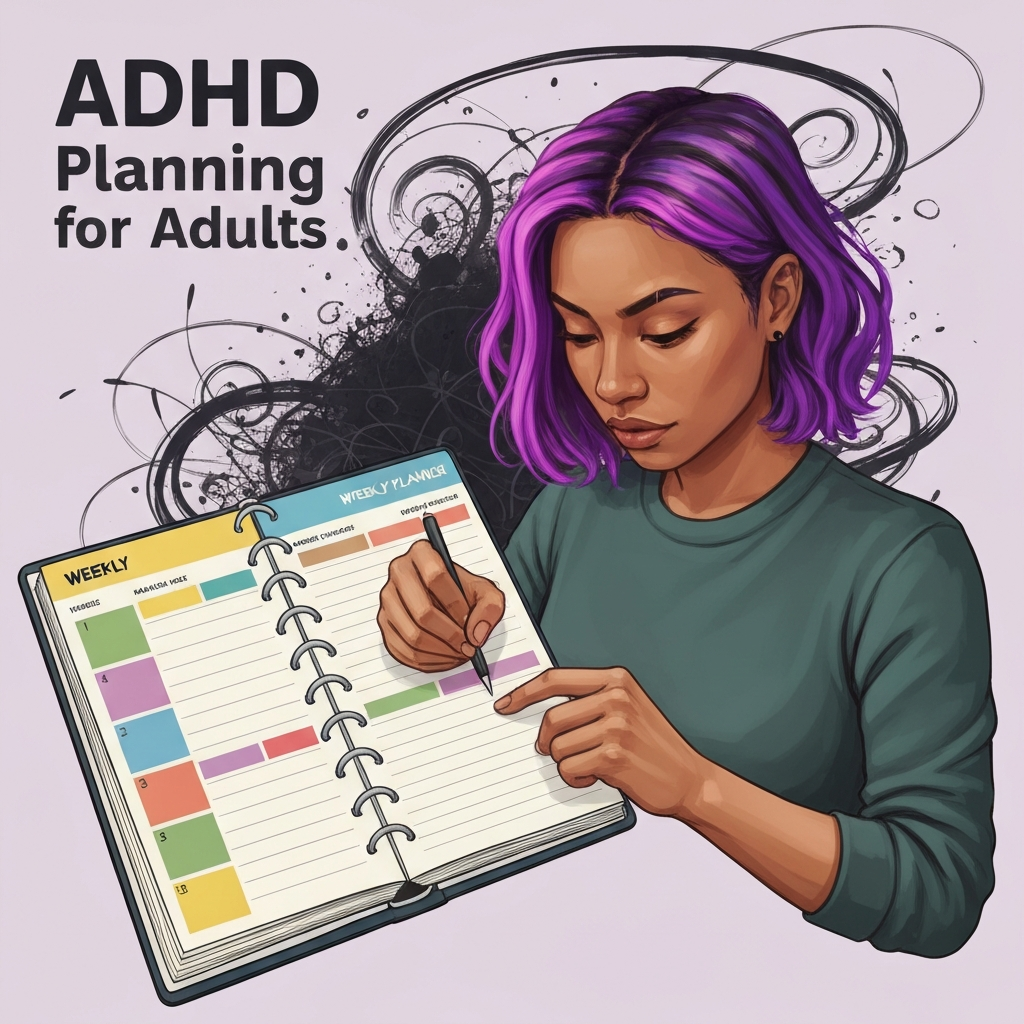
Reclaim Your Focus: The Strategic Approach to ADHD Planning and Planner for Adults
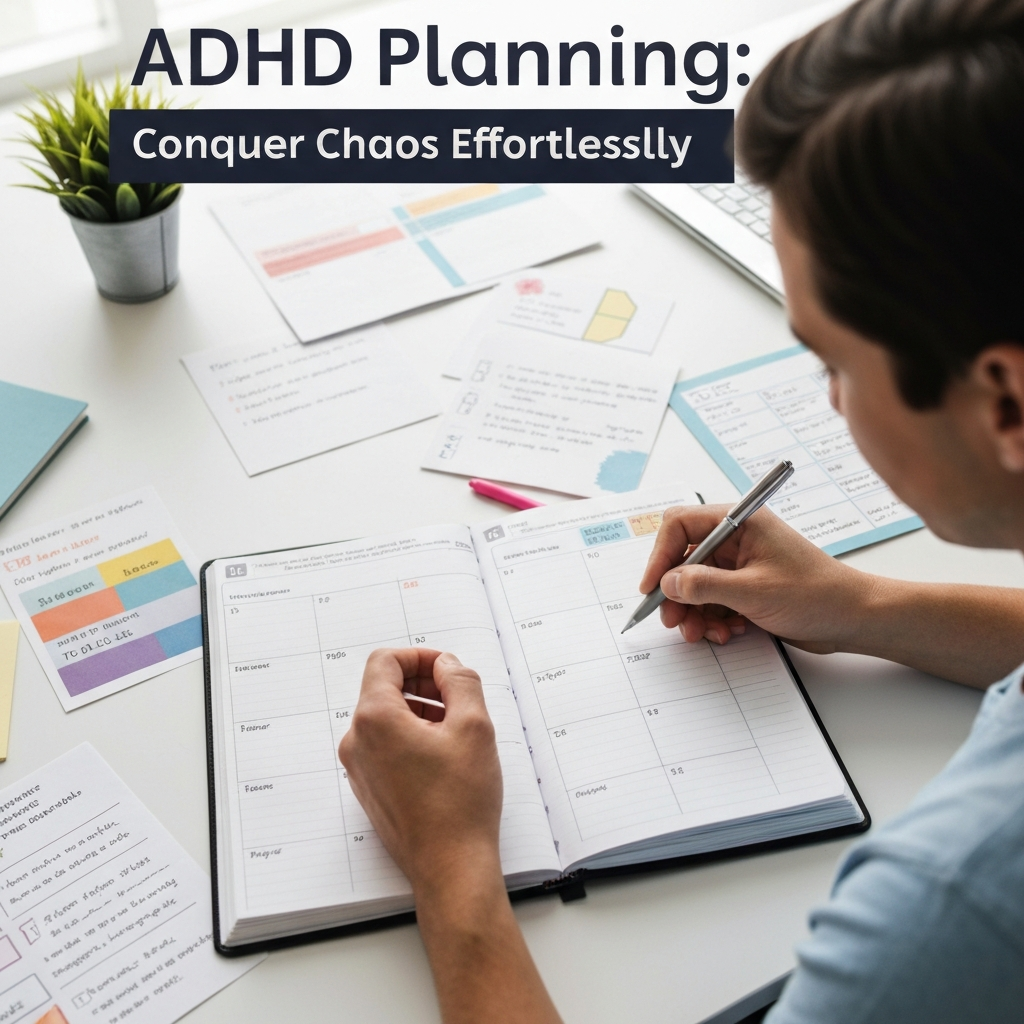
ADHD Planning and Planner for adults represents a crucial opportunity for individuals navigating the complexities of their daily lives. For many adults with Attention-Deficit/Hyperactivity Disorder, the journey through work, personal responsibilities, and aspirations can often feel like an uphill battle against disorganization, missed deadlines, and overwhelming task lists. Challenges such as executive dysfunction, time blindness, and difficulty with task initiation are not character flaws, but inherent aspects of ADHD that can significantly impact productivity and well-being. The good news is that with the right strategic framework, these obstacles can be systematically addressed, transforming chaos into clarity and unlocking an individual’s full potential. While this article provides the essential strategic blueprint for success, understanding that successful execution requires a detailed, structured, step-by-step guide is key to achieving lasting results.
Understanding the Unique Planning Challenges for Adults with ADHD
Before any effective planning system can be implemented, it is vital to acknowledge and understand the specific hurdles adults with ADHD face. Generic time management strategies often fall short because they don’t account for the neurobiological wiring that underpins common ADHD symptoms. A strategic approach begins with this fundamental recognition, ensuring that any chosen solution is built on a foundation of empathy and practical understanding rather than unrealistic expectations.
- Executive Dysfunction: This broad term encompasses difficulties with planning, prioritizing, organizing, initiating tasks, switching between tasks, and regulating emotions. These functions are critical for effective planning and execution.
- Time Blindness: Many adults with ADHD struggle to accurately perceive the passage of time or estimate how long tasks will take. This leads to chronic lateness, underestimation of effort, and a tendency to procrastinate until deadlines loom large.
- Emotional Dysregulation: The intense emotions often experienced by individuals with ADHD can hijack planning efforts. Feelings of overwhelm, frustration, or boredom can prevent adherence to a system, regardless of its initial promise.
- Distractibility and Hyperfocus: While seemingly opposite, both can disrupt planning. Distractibility makes it hard to focus on the planning process itself, while hyperfocus can lead to neglecting other crucial tasks in favour of one highly engaging activity.
Without specifically addressing these unique challenges, any attempt at organization or planning is likely to result in frustration and a perceived failure, reinforcing negative self-beliefs. The first strategic step is to understand why past systems may have faltered, paving the way for solutions that are truly ADHD-friendly.
Crafting Your Personalized ADHD Planning and Planner System
The most effective ADHD planning and planner systems are rarely off-the-shelf solutions. Instead, they are carefully curated, personalized frameworks designed to integrate seamlessly with an individual’s unique needs, preferences, and daily rhythms. This strategic approach moves beyond simply buying a planner; it involves designing an entire ecosystem of tools and habits that externalize memory, provide visual structure, and support consistent engagement. The “why” here is paramount: a system that doesn’t resonate with the individual’s specific style of thinking and working will inevitably be abandoned, no matter how well-intentioned it is.
Considerations for personalizing your system include:
- Analog vs. Digital Preference: Some adults thrive with the tactile experience of a physical planner, while others benefit from the flexibility and automation of digital tools. A strategic approach often involves leveraging both.
- Visual Structure and Clarity: ADHD brains benefit immensely from visual cues. This means considering layouts that are not overly cluttered, using color-coding, sticky notes, or clear categorization to make information easily digestible and actionable.
- Task Breakdown and Prioritization: Overwhelming tasks are a common barrier. A strategic planner needs to facilitate breaking down large projects into smaller, manageable steps and offer clear methods for identifying and focusing on truly urgent and important tasks.
- Flexibility and Adaptability: Life with ADHD is rarely linear. A rigid system will quickly become a source of frustration. The strategic approach emphasizes building in buffers, contingency plans, and a willingness to adjust the system as needs evolve.
- Integration with Existing Routines: The most successful planning systems complement, rather than disrupt, what’s already working. Integrating new planning habits into established routines can increase adherence and make the system feel less like an additional burden.
The goal is to move from a reactive state of “what do I need to do now?” to a proactive state of “I have a dependable system that guides my action.” This requires a strategic mindset focused on building a coherent and supportive planning environment.
Implementing Strategic Planning Habits for Lasting Change
Having the right tools and understanding their function is only half the battle. The final, critical strategic step is the consistent implementation of planning habits. A planner, no matter how perfectly tailored, is just a notebook or an app until it’s actively used as part of a daily or weekly routine. This section focuses on the principles of integrating planning into your life in a way that fosters long-term adherence and genuine improvement in focus and productivity. The “why” is clear: without strategic habit formation, even the best system will gather dust.
Key strategic habits to cultivate include:
- Dedicated Planning Time: Setting aside specific, non-negotiable blocks of time for planning, review, and adjustment is crucial. This could be a short daily check-in or a more extensive weekly planning session to map out the days ahead.
- Regular Review and Iteration: No system is perfect from day one. Strategically reviewing what worked, what didn’t, and why, allows for continuous refinement. This iterative process prevents burnout and ensures the system remains relevant.
- Externalizing Memory and Decision-Making: Use your planner to offload mental clutter. Instead of trying to remember every task, idea, or appointment, get it out of your head and onto paper or into a digital tool. This frees up cognitive energy for actual work.
- Strategic Use of Reminders and Alarms: As a powerful support for time blindness and distractibility, strategically employing alarms for transitions, appointments, and even to remind you to check your planner can be transformative.
- Focus on Small Wins: Celebrating consistent engagement, no matter how minor, reinforces positive behavior. This strategic focus on progress, not just perfection, builds momentum and resilience against setbacks.
Building these habits is an ongoing process, requiring patience and self-compassion. It’s about creating a supportive structure that enables, rather than dictates, your daily activities, ultimately empowering you to reclaim control over your time and attention.
Taking the Next Step to Implementation
Understanding the framework is only the beginning. To bypass the trial-and-error phase and start seeing results quickly, you need the complete, ready-to-use blueprint. This guide has outlined the essential strategic considerations for effective ADHD planning and planner use for adults, emphasizing the ‘what’ and ‘why.’ The true transformation, however, lies in the ‘how’ – the specific, actionable steps and templates designed to put this strategy into immediate practice.
If you want the complete step-by-step templates and proven execution plan, download our full guide here: [ ADHD Planning and Planner for adults ].