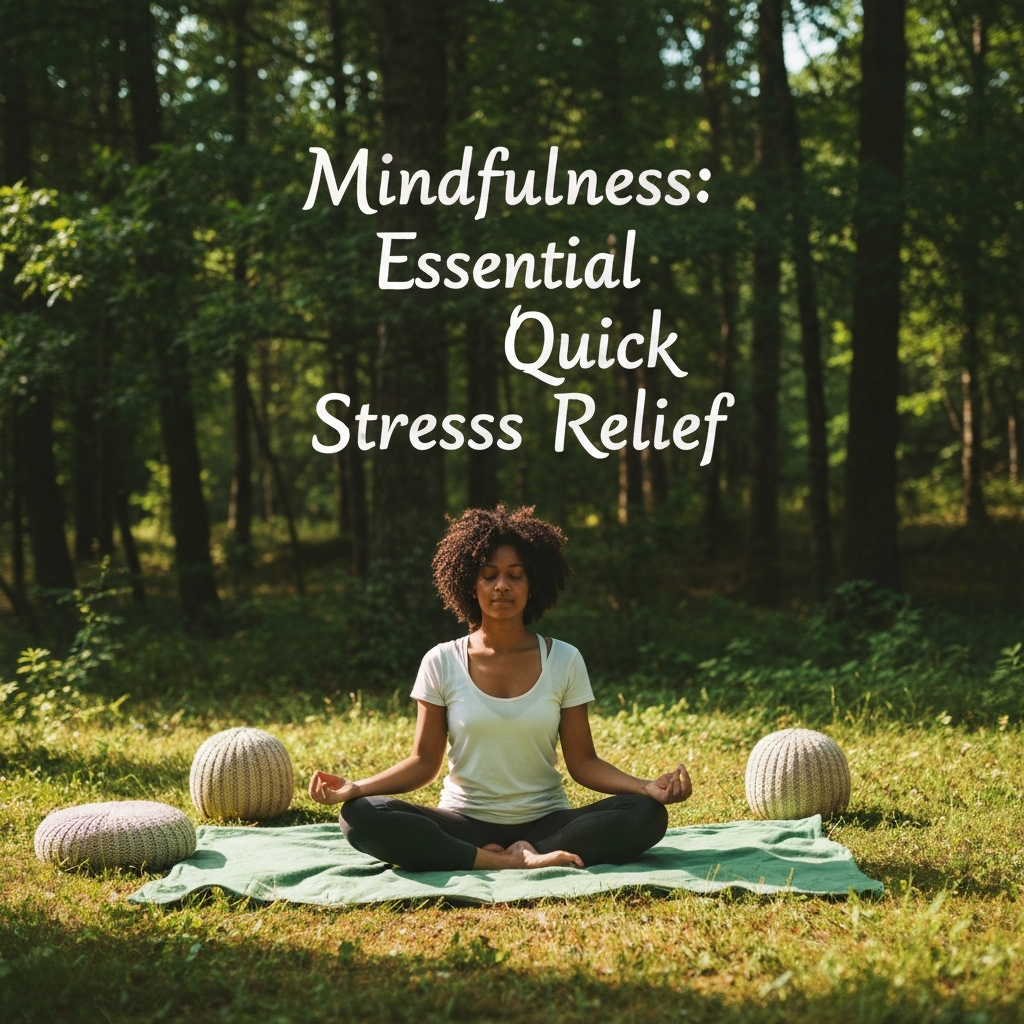
Unlock Inner Calm: Mastering Mindfulness and Quick Stress Reduction Techniques for Peak Performance

Mindfulness offers a profound strategic advantage in today’s fast-paced, high-demand world. The relentless pace of modern life, characterized by constant digital connectivity, demanding professional environments, and increasing personal responsibilities, has created an urgent need for effective stress management solutions. While the pressures of daily life are undeniable, the ability to navigate them with composure, clarity, and resilience is not just a personal benefit – it’s a strategic imperative for individuals and organizations striving for sustained peak performance. Developing a robust approach to managing mental well-being and mitigating the impact of stress is no longer a luxury but a fundamental necessity. This article lays out the strategic blueprint for integrating mindfulness and quick stress-reduction techniques into your life, providing the critical frameworks for understanding their power and potential. However, it’s crucial to acknowledge that while this article provides the strategic blueprint, successful execution requires a detailed, structured, step-by-step guide to truly unlock its full potential.
Understanding the Landscape of Stress and the Power of Mindfulness
Modern life is a crucible for stress. From the pervasive threat of chronic stress management to the acute moments of high-pressure deadlines, our minds and bodies are constantly reacting. The toll can manifest as reduced focus, impaired decision-making, emotional instability, and even tangible health issues. Recognizing the pervasive nature of this challenge is the first critical step towards developing effective coping mechanisms.
This is where the strategic power of mindfulness comes in. Mindfulness, in its essence, is the practice of intentionally bringing one’s attention to the present moment without judgment. It’s not about emptying the mind or achieving a state of blissful calm; rather, it’s about cultivating awareness of thoughts, feelings, bodily sensations, and the surrounding environment as they arise.
- Why it’s crucial:
- Enhanced Emotional Regulation: Mindfulness provides the space to observe emotions without being overwhelmed by them, fostering a greater sense of control and reducing reactive responses.
- Improved Focus and Clarity: By training your attention, mindfulness sharpens your ability to concentrate, leading to better problem-solving and decision-making capabilities.
- Increased Self-Awareness: Understanding your internal landscape allows for healthier responses to stressors, preventing burnout and promoting mental well-being.
- Stress Resilience Building: Regular practice gradually builds an internal buffer, making individuals less susceptible to the negative impacts of daily pressures.
Embracing mindfulness is about fundamentally shifting your relationship with stress, moving from a reactive stance to a proactive, intentional engagement with your inner experience.
Strategic Integration of Quick Stress Reduction Tactics
While foundational mindfulness practice offers long-term benefits for stress resilience, there are moments when immediate relief is paramount. The strategic integration of quick stress-reduction techniques provides an invaluable toolkit for managing acute stress and preventing it from escalating. These are not replacements for a deeper mindfulness practice but powerful complements, designed to offer rapid relaxation and restore a sense of calm in moments of intense pressure or anxiety.
Developing a diverse portfolio of these rapid techniques is a strategic advantage. It ensures that no matter the situation, you have an accessible method to regain composure. The focus here is on understanding why these techniques are so effective for instant calm and what types of strategies provide the most immediate impact.
- Key principles for effective deployment:
- Accessibility: Techniques should be suitable for use anywhere, anytime – whether in a busy office, during a commute, or before a critical meeting.
- Versatility: A range of options allows you to choose the most appropriate method based on the specific stressor and environment.
- Immediate Impact: The primary goal is to interrupt the stress response cycle quickly, offering rapid relief from tension, racing thoughts, or physiological symptoms.
- Proactive Application: Identifying potential triggers and having a quick technique ready can help manage stress pre-emptively, combating workplace burnout before it takes hold.
These quick strategies are your immediate lines of defence, offering practical ways to manage acute anxiety reduction and regain control when the demands of life feel overwhelming.
Cultivating a Mindful Environment for Lasting Well-being
Beyond individual practices and immediate tactics, a sustainable strategy for well-being requires cultivating an environment – both internal and external – that supports mindfulness and reduces stressors. This involves a deliberate approach to designing your daily routines, physical spaces, and even your digital interactions to foster sustained mental clarity and peace. The focus shifts from merely reacting to stress to proactively structuring a life that inherently promotes resilience and calm.
The goal is not to eliminate all stressors, which is unrealistic, but to build a robust system that continually supports your capacity to navigate them. This holistic well-being perspective extends beyond single moments of practice to integrating mindful principles into the very fabric of your existence.
- Elements of a supportive environment:
- intentional Routine Design: Structuring your day with short, consistent breaks for mindful pauses, even just a minute, can significantly impact overall stress levels.
- Creating Peaceful Spaces: Your physical surroundings, whether your office or home, can either amplify or reduce stress. Strategic organization, appropriate lighting, and minimizing clutter contribute to a calmer mind.
- Digital Hygiene Protocols: Managing screen time, notifications, and the content you consume online is crucial. Creating mindful boundaries with technology prevents digital overload and enhances focus and internal peace.
- Prioritizing Rest and Recovery: Understanding the strategic importance of adequate sleep and intentional downtime is fundamental. It allows the mind and body to recalibrate and regenerate, essential for long-term stress resilience.
By strategically cultivating an environment that champions mindfulness, you move beyond scattered efforts and build a comprehensive system for enduring mental fortitude.
Taking the Next Step to Implementation
Understanding the framework is only the beginning. To bypass the trial-and-error phase and start seeing results quickly, you need the complete, ready-to-use blueprint. This strategic overview has provided the essential “what” and “why.” For successful, impactful change, the “how-to” is critical.